
The chainsaw man tier list debate starts the moment someone finishes Part 1 and wants to argue about who matters most. This ranking covers 30 major characters, from Denji and Makima down to the devil hunters and devils who appear for a single arc and leave a mark. It covers the story through the Reze arc, the most recent stretch of Part 1 I know well, and it does not go into the rest of Part 2, which is still running and which I have not followed closely enough to judge.
Spoiler warning: this list discusses deaths, betrayals, and the reveals behind the Public Safety arc and the Reze arc. If you have not read the manga or watched the anime that far, stop here and come back later, because several placements depend on what those characters do in those chapters.
A cast this large means some strong characters land in the middle, and that is deliberate. I rank by what each person actually does on the page, not by how much fans like them or how often they appear in fan art. Every placement comes with a reason, so if you disagree, you can point to the specific scene that you think I weighed wrong.
How This Tier List Works
Three criteria decide every rank. The first is power and feats: what a character can do in a fight, how they use their devil or their contract, and whether their abilities actually matter in the scenes where they appear. The second is impact on the story: whether the plot would look different without them, whether they change the decisions of other characters, and whether their arc ends with a consequence. The third is writing quality: whether the character has a clear voice, a readable motive, and scenes that reveal something instead of only moving the plot forward.
I weigh power the least when the other two are strong, because Chainsaw Man often builds its best moments around characters who are not the strongest in the room. A character who is powerful but never changes anything gets a middle rank. A character who is weaker on paper but drives major decisions can rise above them.
- S Tier: the characters who define the series and whose presence reshapes the whole story.
- A Tier: major characters with strong feats and arcs that carry real weight.
- B Tier: solid supporting characters who do important work in their arcs but do not drive the main plot alone.
- C Tier: characters with a clear function and a memorable moment, but limited scope or a short role in the story.
S Tier: The Characters Who Define the Series
The top tier holds the characters the story is built around. Each of these four changes the direction of the plot in a way that the others cannot. Their placement reflects both what they do in fights and what the series would lose without them. Ranking them against each other is harder than placing them above everyone else, and the order inside the tier is more debatable than the tier itself.
1. Makima
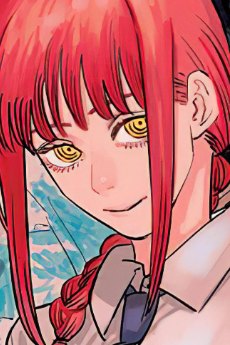
Makima is the head of Public Safety Division 4 and the Control Devil in human form, a Horseman who can command both devils and people. She uses that power patiently, through contracts and through the trust of the people around her, and she rarely needs to show her hand in a fight. Her influence on Denji, Power, and Aki is the engine of the first arcs, and almost every major decision in Part 1 traces back to a choice she made or a manipulation she set up. The reveals about what she wants are the reason many readers consider the early story a long setup.
She sits at the top because nothing else in the series combines power, plot control, and a motive that stays hidden until it matters. Her rank is not a claim that she is the most likable. Her cruelty is the point, and the story rewards her for it by making every other character react to her.
2. Denji
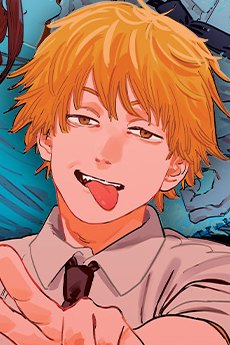
Denji is the protagonist, a debt-ridden young man who merges with Pochita to become Chainsaw Man. His best feats come from raw aggression and from a body that keeps regenerating under punishment, which makes him dangerous against devils who expect a normal opponent. He is also the character whose choices drive the emotional core of Part 1, from his first contracts to his relationship with Reze. The story keeps asking what he wants beyond basic needs, and that question gives him more depth than a typical shonen lead.
He ranks second rather than first because much of his power depends on who is holding his contract strings. When he is left to act on his own, the story treats him as a tool that others use, and that makes him more interesting as a victim of the plot than as its controlling force.
3. Power
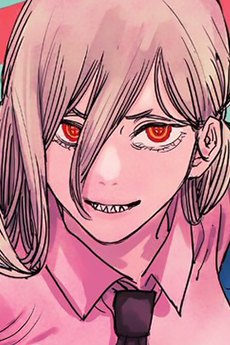
Power is a Blood Devil and a Public Safety hunter who is loud, unreliable, and frequently funny. Her blood-based abilities let her fight in ways that surprise both enemies and allies, and she is capable of scenes where her strength and her fear are both visible at once. She is also one of the few characters who forms a real friendship with Denji, and that relationship gives the early story a warmth that the rest of the cast often lacks. Her arc is one of the strongest examples of how the series treats characters who seem like comic relief.
She ranks third because her feats are memorable and her role in the emotional plot is large. She does not reach the top because the story tends to use her more as a reaction to the leads than as the reason the plot turns, and that limits how far she can move the overall story.
4. Pochita
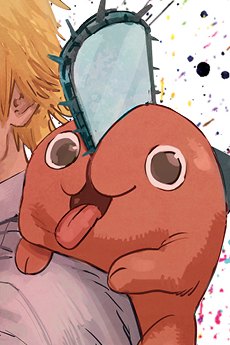
Pochita is the Chainsaw Devil, a small devil who lives inside Denji’s chest and gives him his form. Pochita’s ability to consume other devils is one of the most important mechanics in the series, because it explains how Denji can survive fights that should kill him and how the devil hierarchy works in practice. He also carries a huge amount of the story’s emotion, since Denji’s loyalty to Pochita defines so many of his choices. Pochita rarely looks dangerous in a traditional sense, which is part of why the story uses him so well.
He ranks fourth because he is less active than Denji, Makima, or Power in most scenes. His importance is huge, but much of it comes through his effect on Denji, which keeps him slightly behind the three characters who make decisions of their own.
A Tier: Major Characters With Real Weight
The A tier holds characters who carry major arcs, strong feats, or key emotional beats. Most of them would be the best character in a weaker series. Here, they sit just below the core cast because each one is strong in a specific way without owning the entire plot. Several of the placements below were close calls, and the difference between rank 5 and rank 12 often comes down to how many scenes each character changes.
5. Aki Hayakawa
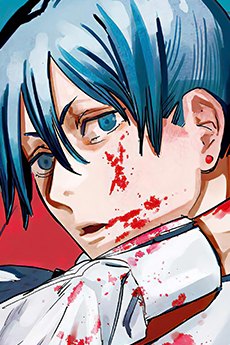
Aki Hayakawa is a Devil Hunter driven by revenge against the Gun Devil, and his early chapters are built around the cost of that drive. He is a capable fighter with a clear sense of duty, and his contract-based abilities are used well in the Public Safety arc. Aki also carries the trauma of losing people close to him, which gives him one of the most grounded emotional arcs in the first half of the story. His scenes with Himeno and Denji show a character who wants to protect others and keeps failing to do it cleanly.
He ranks fifth because his arc is strong but depends on events that others drive. His revenge gives him a purpose, yet the most consequential decisions are usually made by someone else.
6. Reze
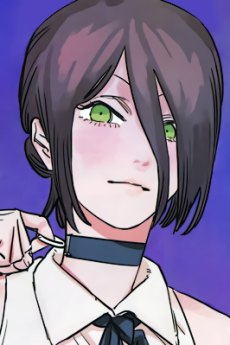
Reze works at a café and is later revealed as a Soviet Bomb Devil hybrid assassin, a combination that makes her one of the most striking reveals in Part 1. Her powers are explosive, and her fight scenes are staged to show that danger without losing the human side of her character. The Reze arc is the best showcase for her, because it gives her a clear motive and a personal conflict with Denji. Her relationship with him becomes one of the strongest romantic threads in the series, and the story handles it with unusual honesty.
She ranks sixth because her biggest moments come from one arc. Outside that arc, her role is shorter than the characters above her, which keeps her from reaching the top of the list despite a remarkable run.
7. Himeno
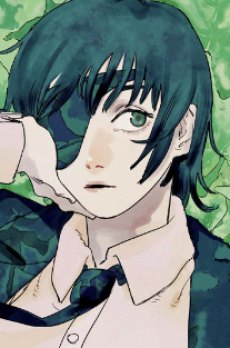
Himeno is a hunter who partners with Aki, and her strength is seen in both fights and quieter scenes. Her contract with a Ghost Devil gives her an invisible hand, which is a clever and unsettling way to let her attack enemies without warning. She is steady, competent, and careful in ways that make her a good foil for Aki’s impulsiveness. Her death is one of the moments that tells readers how dangerous the Devil Hunter work really is, and it carries weight because the story gave her enough personality beforehand.
She ranks seventh because her arc ends too early to reach the top of the list. The story spends real time building her, but she is removed before she can take on the scale of the leads.
8. Kishibe
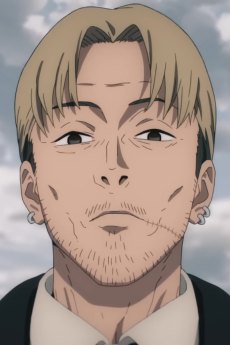
Kishibe is a veteran hunter who has been around the Public Safety system long enough to understand its rot. He is secretly opposed to Makima, and that opposition gives him an intelligence and a sense of caution that few other hunters have. He is calm, experienced, and dangerous in a fight, and he tends to see threats before the younger characters do.
He ranks eighth because his role is more about watching and warning than about driving the story forward. He is useful, respected, and often right, but he rarely becomes the character whose choices force the plot to turn.
9. Yoru
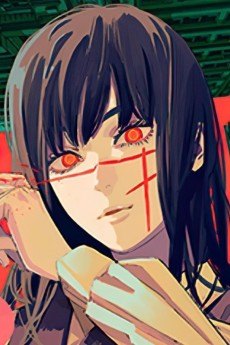
Yoru is the War Devil, a Horseman who is weakened and lives inside half of Asa Mitaka’s brain. Yoru’s presence changes the story’s tone whenever it appears, because it is both a threat and a source of dark humor. The War Devil’s combat presence is strong, and the way it shares a body with Asa creates tension that the series uses well. Yoru’s scenes are some of the most unpredictable in Part 1, which is exactly why readers keep watching them.
Yoru ranks ninth because the character is powerful but limited by its weakened state. The most interesting parts of Yoru’s arc depend on the relationship with Asa, which means Yoru is best understood as half of a pair rather than a fully independent force.
10. Asa Mitaka
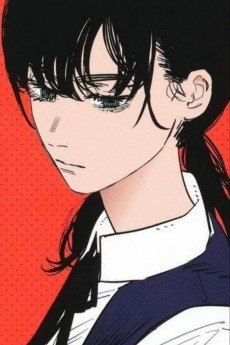
Asa Mitaka starts as an isolated student who is revived and becomes the vessel for Yoru. Her early chapters show loneliness and the quiet hope of someone who wants to belong, and that makes her transformation hit harder than most in the series. She is more than a passive host, since her choices affect how Yoru behaves and how the other characters respond to the War Devil. Her arc is one of the most human threads in the series, even when the story becomes violent.
She ranks tenth because her emotional arc is strong but her direct combat role is limited. The story values her as a point of view, and that makes her essential to the plot without making her one of the top fighters in the cast.
11. Angel Devil
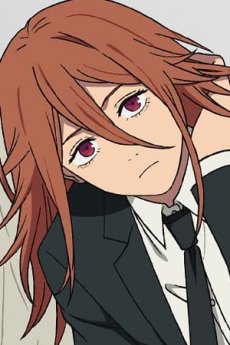
The Angel Devil is an androgynous devil that drains lifespans through touch, a horror-style ability that makes every contact a risk. The Angel Devil works as a Public Safety ally, and its presence shows how the series mixes friendship and danger in the same organization. Its design and temperament make it one of the most unsettling characters in the cast, and the way it fits into the Public Safety world is an example of the series’ strongest worldbuilding. Its scenes are short but highly memorable.
It ranks eleventh because the character is effective and creepy but has a smaller arc than the leads. It delivers memorable moments without carrying a plot thread of its own.
12. Katana Man

Katana Man is a Yakuza hybrid and the grandson of the boss who ordered Denji’s execution, which makes him one of the most direct threats to the protagonist in Part 1. His sword-based fighting is sharp and confident, and his personality gives the Yakuza arc a clear antagonist with a personal stake. The character works because he is not just a hired fighter. He wants something specific, and that makes his fights feel like the continuation of an argument rather than a random encounter.
He ranks twelfth because the character is dangerous and well-staged but has a shorter story than the characters above him. His importance is clear in his arc, yet it does not reshape the whole series the way the leads do.
B Tier: Solid Supporting Characters
The B tier holds characters who do real work in their arcs. Many of them are better than the average character in most shonen, and they earn their places through specific scenes and clear functions. The difference between the B tier and the A tier is usually scope: these characters carry a strong arc but rarely shift the overall story. Several of them are highly rated by readers, and I placed them here because their impact is concentrated in one area.
13. Nayuta
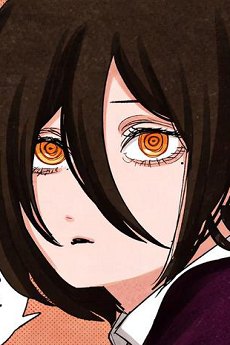
Nayuta is a reincarnated Control Devil who is entrusted to Denji’s care, and that relationship gives her an unusual role in the series. She carries the weight of a Horseman’s history without the full power, which makes her scenes feel both tender and dangerous. Her presence raises questions about what Makima’s power means and whether it can be inherited, which is a good use of the character. She is one of the cast’s more layered additions.
She ranks thirteenth because her arc is intriguing but still developing. Her role is important, yet she has not yet had the same level of influence on the main plot as the characters above her.
14. Kobeni Higashiyama
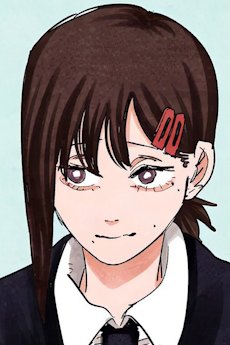
Kobeni Higashiyama is a Devil Hunter who is conscripted into Makima’s squad and later appears working in a fast-food job. Her arc shows how the Public Safety system treats young hunters, and her fear and resentment are some of the most grounded emotions in Part 1. She is not a top fighter, but she survives where stronger characters fall, and that gives her a distinct value. Her scenes make the cost of the Devil Hunter work feel real.
She ranks fourteenth because her strength lies in perspective rather than power. The story uses her well, but she is more of a witness and a survivor than a character who drives events.
15. Beam
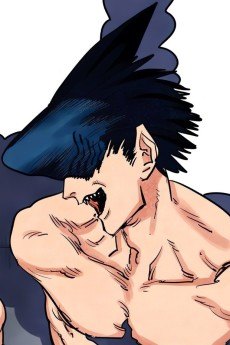
Beam is a Shark Fiend who worships Denji, and that devotion makes him one of the funniest and most surprising members of the Public Safety group. His combat presence is real, and his loyalty gives the story a light tone at moments when the plot becomes grim. Beam works because he takes Denji seriously in a world where most people treat him as a tool. He is a good example of how the series can make a minor character memorable with one consistent trait.
He ranks fifteenth because he is entertaining but has limited influence over the central conflict. His role is clearly defined, yet he rarely affects the choices that shape the leads.
16. Galgali
Galgali is a Violence Fiend who is polite in a way that makes his threat feel more unnerving. He wears a mask that protects him from the poison gas he can produce, and his combat style is built around that danger. His courtesy contrasts with the violence he is capable of, which makes him one of the more memorable Public Safety allies. The character is a good example of the series’ habit of making politeness and cruelty appear side by side.
He ranks sixteenth because his function is more tactical than personal. He is effective in his scenes, but his arc does not carry the emotional or plot weight of the A tier.
17. Princi
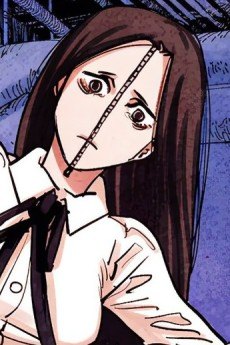
Princi is a Spider Devil who mostly takes orders from Makima, which places her in a supporting role that still matters. Her abilities are well suited to the Public Safety world, and her loyalty to Makima makes her a useful example of how the leader’s power spreads through her subordinates. She is not the strongest fighter in the group, but her position gives her access to events that other characters cannot see.
She ranks seventeenth because her role is largely defined by someone else. Princi is useful and sharply drawn, but she rarely acts independently enough to change the outcome of a major arc.
18. Quanxi
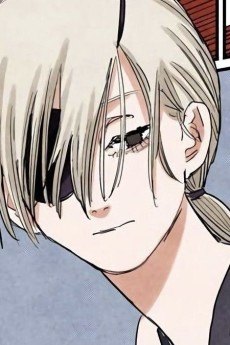
Quanxi is a Chinese hunter described as the first devil hunter, and his Crossbow Devil hybrid form makes him a serious threat in combat. He stands out because his presence brings a wider world into the story, showing that Devil Hunters exist beyond Japan with their own rules and conflicts. His fights are precise and well staged, and his group dynamic adds variety to the cast. He is one of the strongest examples of the series using international characters to expand its scope.
He ranks eighteenth because his role is limited to a specific arc. He is an excellent addition, but he does not appear often enough to carry the larger story.
19. Santa Claus
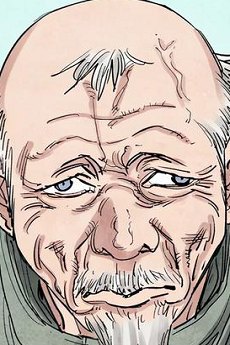
Santa Claus is a Russian assassin who controls several bodies through the Doll Devil, which makes every fight feel uncertain. The character’s threat comes from the number of bodies and the way they can be deployed, and that gives him an unusual kind of danger. His appearance is memorable because the series uses a familiar name in a violent, unsettling context.
He ranks nineteenth because his arc is short and his main value is spectacle. He is effective in his scenes, but his influence on the overall plot is limited.
20. Hirokazu Arai
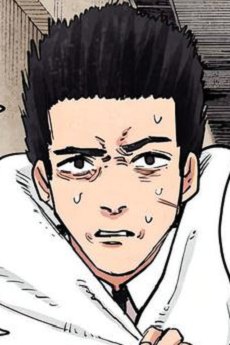
Hirokazu Arai is a hunter with a Fox Devil contract who sacrifices himself for Kobeni. His arc is short, but the choice he makes gives Kobeni’s story a clear emotional turning point. He is not a powerhouse, yet his decision shows how the series values loyalty and the cost of contracts. Arai is a useful example of a supporting character whose one act carries real weight.
He ranks twentieth because his impact is concentrated in one moment. The moment matters, but he has less room to grow than the characters above him.
21. Fumiko Mifune

Fumiko Mifune is a hunter assigned as Denji’s school bodyguard, and her STD Devil contract gives her an unusual set of abilities. Her role in the school scenes lets the series show ordinary life next to devil hunting, which is one of its strongest tonal tricks. She is competent and watchful, and she gives Denji a rare adult presence in a world where most authority figures are compromised. Her scenes make the school setting more than a backdrop.
She ranks twenty-first because her role is mostly protective. She contributes to the atmosphere and to the plot, but she rarely takes the lead in a major conflict.
22. Nomo
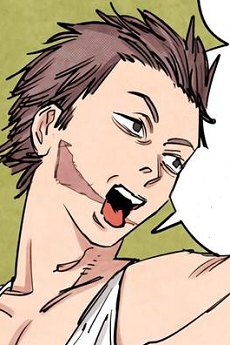
Nomo is a tenacious hunter who stood against the Bomb Devil, and that stand makes him one of the more reliable fighters in the supporting cast. He does not have the flash of Power or the mystery of Makima, but he is steady, and his persistence gives scenes a sense of real danger. He is a dependable character who makes battles feel grounded.
He ranks twenty-second because his arc is fairly brief and his personality is more functional than memorable. He is solid in his role, but he rarely creates the big turning points that define the top tiers.
23. Akane Sawatari
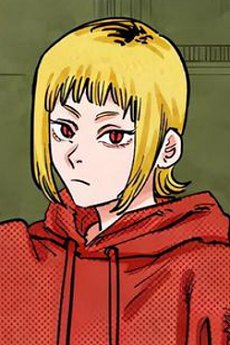
Akane Sawatari is a former Public Safety hunter and the handler of Samurai Sword, which makes her an important link between the Public Safety world and the Yakuza threat. Her position lets the story show how power moves between organizations, and her decisions have consequences for the characters around her. She is cool and strategic, and her role adds a political layer to the plot. Sawatari is one of the characters who makes the series feel like a world with factions rather than a simple list of fights.
She ranks twenty-third because her main value is organizational. She influences events through others, and that keeps her from being one of the stronger personal presences in the story.
C Tier: Clear Function, Limited Scope
The C tier holds characters with a clear job and at least one memorable moment, but a smaller footprint than the rest of the list. Some are devils that serve as threats, some are hunters whose arcs end early, and some are supporting figures who matter in one scene more than across the whole story. These placements are not criticisms. Each of these characters works well in the scenes where they appear, and the tier simply reflects how far their influence reaches.
24. Gun Devil
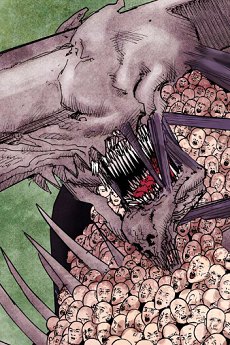
The Gun Devil is a powerful devil that killed a huge number of people and was later split among governments. It is the reason many Devil Hunters have personal grudges, and its impact on the world is one of the strongest pieces of backstory in Part 1. The reason it sits here instead of higher is that the devil acts more as a force than as a character with a personal arc.
It ranks twenty-fourth because its importance is mostly in its history and its effect on other characters. It drives motivation without driving much dialogue or decision-making of its own.
25. Zombie Devil
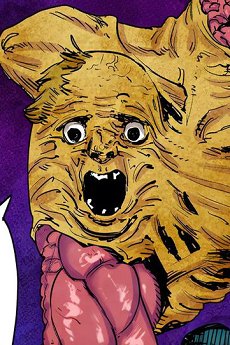
The Zombie Devil is a devil that the yakuza contracted to kill Denji, and the arc built around it shows how dangerous contracts can be when they are used against the protagonist. Its threat is clear and immediate, and the fights it creates test Denji’s regeneration and his resolve. It works as a strong early antagonist, especially for readers who are learning how the devil system functions. Its limit is that the devil is defined mainly by its job in one arc.
It ranks twenty-fifth because the devil’s role is focused on one storyline. It is effective and memorable, but it does not carry the thematic weight of the characters above it.
26. Typhoon Devil
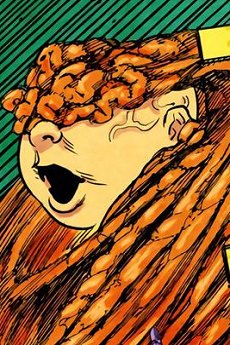
The Typhoon Devil is the devil that killed Asa’s parents, and that single fact gives it a place in the story that is more personal than its screen time suggests. The devil’s role is to provide motivation for Asa’s grief and for the way she is drawn into the world of contracts. It is less a fighter than a source of trauma, and the story uses it to explain why Asa’s life took the shape it did. Its importance is real, but it is delivered mostly through backstory.
It ranks twenty-sixth because the devil’s presence is mostly felt through others. It drives Asa’s arc without taking much of the spotlight itself.
27. Hirofumi Yoshida

Hirofumi Yoshida is a private bodyguard contracted with the Octopus Devil, and he later becomes a Public Safety member. He is an example of how the series uses ordinary, morally gray professionals to show how the devil world reaches into politics and business. His fights are competent, and his decisions in the Public Safety arc make the organization feel more compromised. He is effective, but his storyline is short and mostly serves the larger conflict.
He ranks twenty-seventh because he is useful to the plot without being central to it. Yoshida’s role is clear and his choices matter, but he rarely changes the direction of the series on his own.
28. Michiko Tendo
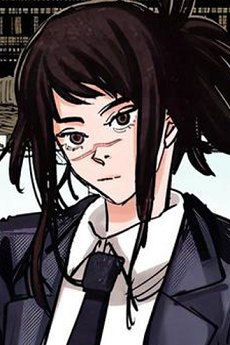
Michiko Tendo is a hunter whose life was ruined by the Gun Devil, and her arc is a grim example of how the series treats loss. She is partnered with Yutaro Kurose in the Kyoto arc, and their story ends with a brutal turn that shows how little protection hunters have. Her presence makes the stakes of the Gun Devil’s legacy feel personal rather than abstract. The character is emotionally strong, but her screen time is limited.
She ranks twenty-eighth because her arc is short and her role is mostly tragic rather than active. She teaches the reader something important about the cost of the hunter life, but she does not drive the central plot.
29. Fushi
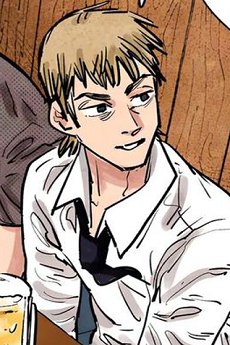
Fushi is a hunter shot dead by the Gun Devil’s lackeys, and his death helps set the tone for how the Gun Devil threat spreads through the Devil Hunter ranks. He is a small but telling example of how fast the series can remove a character who seems stable. His brief presence shows the danger of the hunter life and how little time the story gives to characters who do not carry the lead role.
He ranks twenty-ninth because his role is mostly defined by one event. The death is effective, but there is little opportunity for him to develop beyond it.
30. Eternity Devil
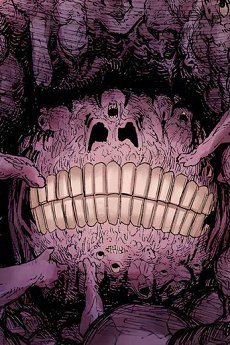
The Eternity Devil traps people in an endless floor of a hotel, which makes it one of the most unusual devil concepts in the series. The horror of its setting is its main strength, because the trap feels like a place rather than a simple fight. The devil is memorable for its environment, and that gives it a clear identity even within a brief appearance.
It ranks thirtieth because its role is limited to one setting and one threat. It is a strong example of the series’ imagination, but it has less room to affect the characters’ arcs than the entries above it.
Full Ranking at a Glance
| Rank | Character | Tier | One-line reason |
|---|---|---|---|
| 1 | Makima | S | Controls the plot through patient manipulation |
| 2 | Denji | S | Protagonist whose choices drive the emotional core |
| 3 | Power | S | Memorable feats and the strongest early friendship |
| 4 | Pochita | S | Core mechanic and emotional anchor for Denji |
| 5 | Aki Hayakawa | A | Grounded revenge arc with real costs |
| 6 | Reze | A | Striking reveal and the best Reze arc |
| 7 | Himeno | A | Competent partner whose death lands hard |
| 8 | Kishibe | A | Experienced, cautious, and often right |
| 9 | Yoru | A | Unpredictable War Devil with a strong pairing |
| 10 | Asa Mitaka | A | Human heart of the Yoru storyline |
| 11 | Angel Devil | A | Unsettling lifespan drain and memorable scenes |
| 12 | Katana Man | A | Direct Yakuza threat with a personal stake |
| 13 | Nayuta | B | Layered Horseman with a developing arc |
| 14 | Kobeni Higashiyama | B | Grounded survivor who shows the hunter cost |
| 15 | Beam | B | Funny, loyal, and consistent in every scene |
| 16 | Galgali | B | Polite menace with a distinctive mask and gas |
| 17 | Princi | B | Useful Makima subordinate with limited independence |
| 18 | Quanxi | B | Brings an international hunter perspective |
| 19 | Santa Claus | B | Strong spectacle built on the Doll Devil |
| 20 | Hirokazu Arai | B | One sacrifice that gives Kobeni a turning point |
| 21 | Fumiko Mifune | B | Adult presence in the school scenes |
| 22 | Nomo | B | Dependable hunter who stands against the Bomb Devil |
| 23 | Akane Sawatari | B | Political link between Public Safety and the Yakuza |
| 24 | Gun Devil | C | Massive threat whose impact is mostly backstory |
| 25 | Zombie Devil | C | Clear early antagonist limited to one arc |
| 26 | Typhoon Devil | C | Source of Asa’s trauma, felt through others |
| 27 | Hirofumi Yoshida | C | Morally gray bodyguard with a short arc |
| 28 | Michiko Tendo | C | Tragic hunter whose arc ends early |
| 29 | Fushi | C | Harsh death that shows the hunter risk |
| 30 | Eternity Devil | C | Strong setting-based horror with a limited role |
Frequently Asked Questions
Who is the strongest character in Chainsaw Man?
In terms of raw plot control and combat presence, Makima is the strongest character in Part 1. She commands devils and people through her Control Devil power, and she rarely needs to fight directly to change the outcome of a scene. Denji is the strongest fighter in many direct battles because of his regeneration and his Chainsaw Man form. If you define strength as the ability to shape the story, Makima is the clear answer, and that is why she tops this list.
Who are the best female characters in Chainsaw Man?
Makima, Power, Reze, and Asa Mitaka are the strongest female characters in this ranking. Makima leads through control, Power provides chaos and friendship, Reze offers the best romantic arc and the most striking reveal, and Asa gives the series its most human emotional thread. Each of them is written with a clear motive and a distinct voice, which is more than many shonen series manage for their female cast.
Who are the most popular characters in Chainsaw Man?
Denji, Makima, Power, and Pochita are the characters most often discussed in fan communities, based on how often they appear in conversations about the series. Reze also draws strong attention because of her reveal and her arc.
Who are the best characters in Chainsaw Man?
The best characters, in my view, are Makima, Denji, Power, and Reze, because each of them drives major decisions and has a strong voice. The best overall character depends on what you value. If you like complex manipulation, Makima is the answer. If you like a protagonist who changes under pressure, Denji is the answer. The rest of the list reflects how much each character contributes to the story.
Is Denji the best character in Chainsaw Man?
Denji is one of the best characters in the series, but I do not rank him first. He is the protagonist and carries the emotional center of Part 1, yet much of his power depends on who is controlling his contracts and what the people around him choose. His rank of second reflects a strong lead who is still shaped by forces he does not fully control.
Which underrated characters deserve more attention?
Beam, Kishibe, and Asa Mitaka are the most underrated in this ranking. Beam offers consistent humor and loyalty in scenes that could easily become grim. Kishibe is one of the most competent hunters in the cast, and his caution is rarely given enough credit. Asa’s arc is one of the most human threads in the series, and her quiet development is easy to overlook next to the louder characters around her.
Final Verdict
Makima is my number one because she is the character who most changes what happens on the page, and she does it without needing to win every fight. Denji is close behind, and I think he is the emotional anchor that keeps the story from becoming cold. Power and Pochita round out the S tier because both give the series a warmth and a mechanic that the others cannot match.
What I would change if I rebuilt the list is the balance between devils and humans. The devils are often defined by one arc, while the human hunters carry more personal weight. Chainsaw Man is at its best when its characters make choices that cost them something, and that is the standard I used for every placement here.